
The End of the Binary Classroom
For a long time, the world of education was split into two camps: the traditionalists who believed nothing could replace the four walls of a physical classroom, and the digital pioneers who saw online learning as the ultimate frontier. However, the last few years have taught us that this binary choice is no longer necessary—or even effective. When we finally blend physical and digital classrooms properly, we don't just get a compromise; we get a superior learning environment that leverages the strengths of both worlds.
At the Edvidence Model, we believe that 'blending' isn't just about recording a lecture and uploading it to a portal. It is about creating a cohesive ecosystem where the digital and physical components support one another. Here is what happens when we get that balance right and how you can start implementing these changes today.
Practical Strategies for a Unified Learning Environment
The goal of a proper blend is to remove the friction between 'in-person' and 'online' students. When the transition feels seamless, the technology disappears into the background, leaving only the learning experience. To achieve this, we need to shift our focus from delivery methods to student outcomes.
Prioritize Asynchronous Foundations
One of the most practical shifts you can make is moving 'information transfer' to the digital space. If you are spending physical class time delivering a one-way lecture, you are underutilizing your most valuable resource: human presence. Instead, use digital tools to provide foundational content—videos, readings, and interactive modules—that students can consume at their own pace.
Leverage Physical Space for High-Impact Interaction
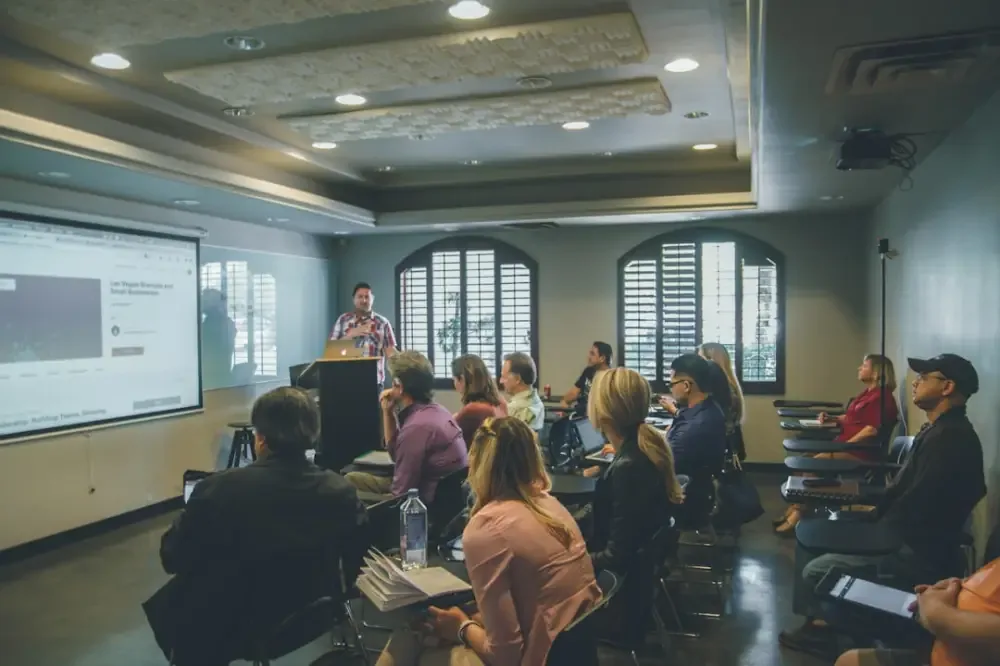
When students are physically together, the focus should be on what they can't do as effectively online: high-intensity collaboration, hands-on labs, and real-time debate. By 'flipping' the classroom in this way, the physical space becomes a workshop rather than a lecture hall. This approach ensures that when students commute to a campus, they feel the trip was worth the effort because they are actively participating in something communal.
The Core Benefits of a Properly Blended Model
When the blend is executed with intentionality, several significant shifts occur in the student experience. It isn't just about convenience; it's about pedagogical efficacy. Here are the primary benefits we see when using an evidence-based blended framework:
- Increased Accessibility: Students with varying needs, schedules, or geographic constraints can engage with the core material without missing out on the community aspect.
- Data-Driven Personalization: Digital platforms provide real-time analytics. Educators can see which students are struggling with a specific module before they even step into the physical classroom.
- Enhanced Agency: Students take more ownership of their learning when they have control over the 'path, place, and pace' of their foundational studies.
- Reduced Cognitive Load: By breaking content into digestible digital chunks, students can revisit complex topics as often as needed, preventing them from feeling overwhelmed during live sessions.
How to Start Small: Actionable Steps
You don't need a multi-million dollar tech stack to begin blending your classroom. You can start by making small, incremental changes to your current workflow. Here is a simple checklist to help you transition toward a more integrated model:
- Audit your content: Identify which parts of your curriculum are purely informational. Move these to a digital format (video, PDF, or interactive quiz).
- Choose a 'Home Base': Ensure all students, whether physical or digital, have a single source of truth (a Learning Management System or a simple shared document) where all assignments and resources live.
- Implement a 'Digital-First' Communication Policy: Use digital channels for all logistics and announcements. This ensures that no one misses a message because they weren't in the room at a specific moment.
- Design 'Bridge' Activities: Create assignments that start online (e.g., a discussion board post) and conclude in person (e.g., a group presentation based on those posts).
Overcoming the Friction Points
The biggest hurdle in blending classrooms isn't the technology; it's the mindset. We often worry that digital components will 'dilute' the experience. In reality, the friction usually comes from 'double-work'—trying to run two separate versions of the same course. The secret is to design one course that exists across two environments.
Instead of thinking about 'online students' and 'in-person students,' think about 'the cohort.' Every student should have access to the same digital resources, and every student should have opportunities for synchronous interaction, whether that happens via a laptop screen or a physical desk. This unified approach reduces the administrative burden on the educator and creates a more equitable experience for everyone involved.
The Future of Collaborative Frameworks
The 'proper' blend of physical and digital classrooms is the cornerstone of the Edvidence Model. By moving toward a framework that values evidence-based innovation, we move away from the 'emergency remote teaching' of the past and toward a future where education is more flexible, more resilient, and ultimately more human. When we stop fighting the digital shift and start integrating it, we unlock the true potential of modern teaching.